
Sardinia through my personal interests
Sardinia is my home and an important part of my world. I enjoy experiencing it from the coast to the inland landscape, returning to places with curiosity. Archaeology, the sea, hiking, cycling and photography come together in my interests and the stories I want to collect in the portal.

The coast and its headlands
In spring and summer I enjoy exploring Sardinia’s coast and headlands. The sea, rocks and coastal landscape are part of my outings and my love of the island. This is one of the connections between my leisure time and photography.
The Ajopix project
Seeing the land from the sea
In summer I also experience Sardinia from the water, by canoe and SUP. I enjoy seeing the coast from the sea, a different perspective from walking along the headlands. This interest sits alongside my other outings and my appreciation of the landscape.

The inland landscape in autumn and winter
In autumn and winter I am particularly drawn to inland areas, Sardinian history and archaeological places. I enjoy visiting and revisiting them: they are part of how I experience Sardinia throughout the year, alongside the sea in other seasons.
An interest in archaeology
On foot and by bicycle
Hiking and cycling are among my hobbies. I enjoy moving through the landscape and getting to know my island through outings, both inland and along the coast. In the portal, these interests connect with movement, photography and curiosity about Sardinia.
Fitness and personal training
My interest in ancient Sardinia
Archaeology and Sardinian history are interests I pursue by visiting ancient places. Nuraghi, giants’ tombs and domus de janas are among the monuments that interest me. The dedicated section presents these three forms of archaeological heritage with brief explanations and sources to explore.
An interest in archaeology
Photographs and stories to develop
I want to enrich the portal with photographs from my outings and stories about Sardinia. My summer project Ajopix has a place in this journey, alongside my work as a photographer. New images and experiences that I share will help this part of my world grow.
The Ajopix projectSardinian archaeology: one of my interests
I enjoy returning to Sardinian archaeological places and learning more about my island’s history. Here, this personal interest connects with brief explanations of the monuments and links to institutional sources.
An interest to explore on the island
Visits to ancient sites are part of my outings, particularly inland in autumn and winter. Nuraghi, giants’ tombs and domus de janas interest me as different ways of encountering Sardinian history. This space in the portal connects with my outings and my wish to tell the island’s stories.
Living Sardinia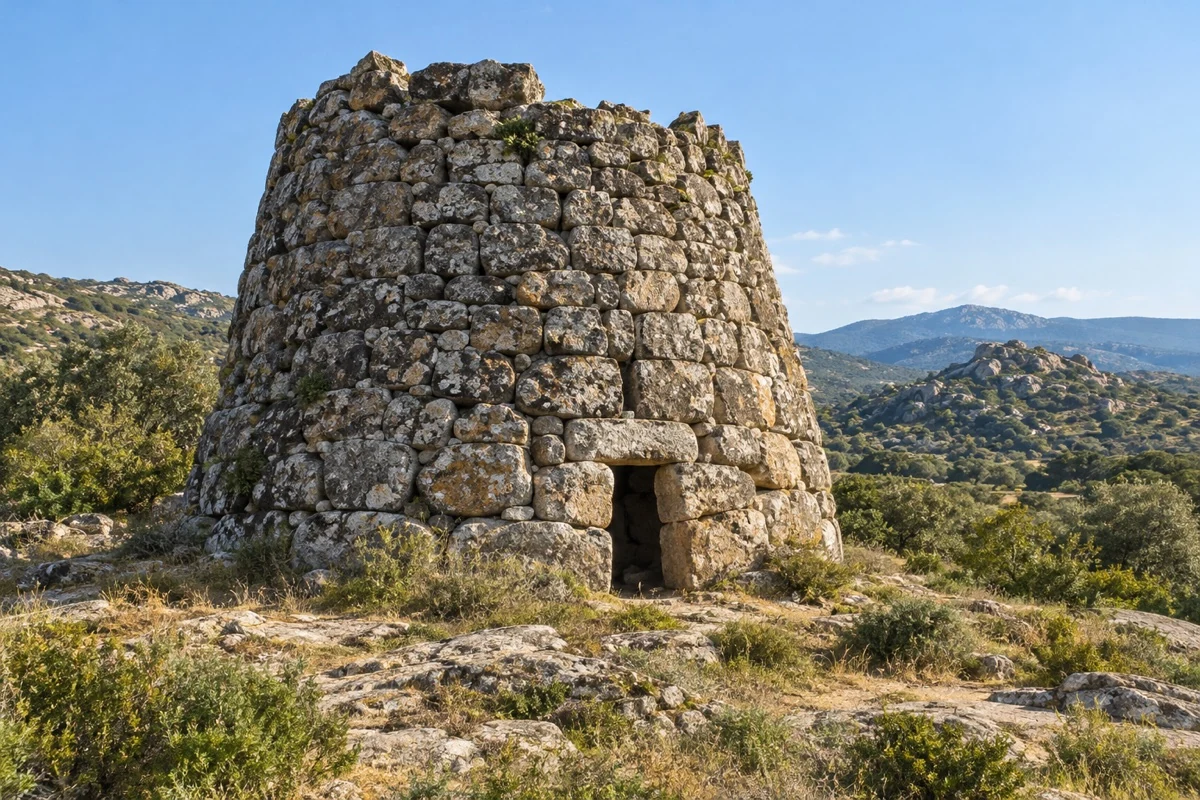
Nuraghi: stone architecture
Nuraghi are stone structures characteristic of Bronze Age Sardinia. The Su Nuraxi complex at Barumini, with its towers and village remains, is a documented example of this architecture. The UNESCO entry provides further information about its history.
UNESCO: Su Nuraxi di Barumini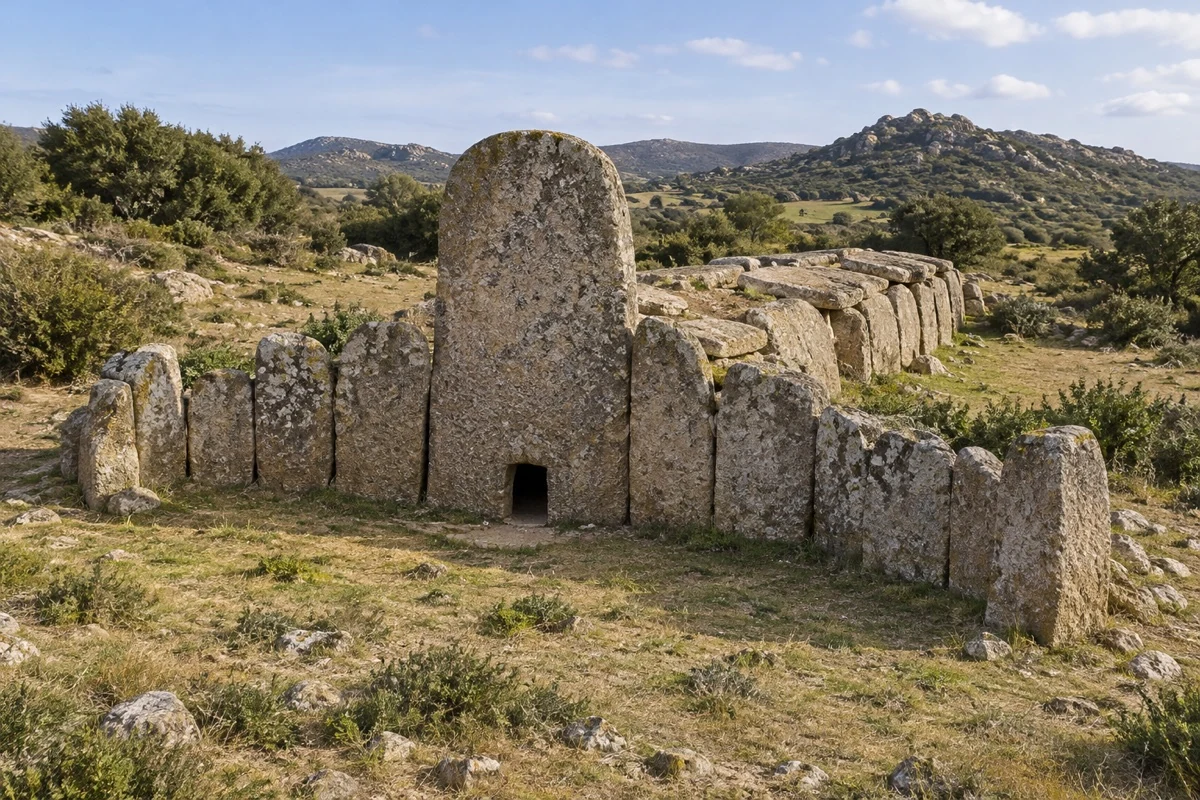
Giants’ tombs: funerary monuments
Giants’ tombs are nuragic funerary monuments built of stone and used for collective burials. Two curved arms at the front form a space called an exedra. The name comes from popular tradition; SardegnaCultura explains their features.
SardegnaCultura: Giants’ tombs
Domus de janas: rock-cut tombs
Domus de janas are rock-cut tombs from prehistoric Sardinia. In 2025, a selection of these sites entered the UNESCO World Heritage List as evidence of the island’s funerary traditions. The UNESCO page presents the significance and features of the recognised group.
UNESCO: Domus de janas